August 11, 2026
Medical negligence experts at Switalskis say the temporary suspension of births at a Devon hospital is a further sign of the escalating crisis in NHS maternity services which needs urgent government attention.

If you or your baby received care at one of the NHS trusts included in the National Maternity and Investigation, you may have questions about what happened and what comes next. Our specialist birth injury solicitors are here to help you understand your legal options, support you throughout the investigation and, where appropriate, help you pursue compensation for avoidable harm.
The publication of the National Maternity and Investigation, chaired by Baroness Valerie Amos, marks another significant moment for maternity safety in England. The report identifies widespread and longstanding failings across NHS maternity services and calls for urgent system-wide change, including the appointment of a statutory National Maternity and Commissioner.
For many families, the report may raise difficult questions about the care they or their baby received. If you believe avoidable mistakes during pregnancy, labour, birth or care caused harm, our specialist birth injury solicitors can help you understand your legal options.
At Switalskis, our specialist Medical Negligence team supports families affected by avoidable harm in pregnancy, birth and care. We support parents and children in birth injury claims, claims, claims, maternal injury claims, inquests and public investigations, helping families find answers, secure the support they need and drive meaningful change.
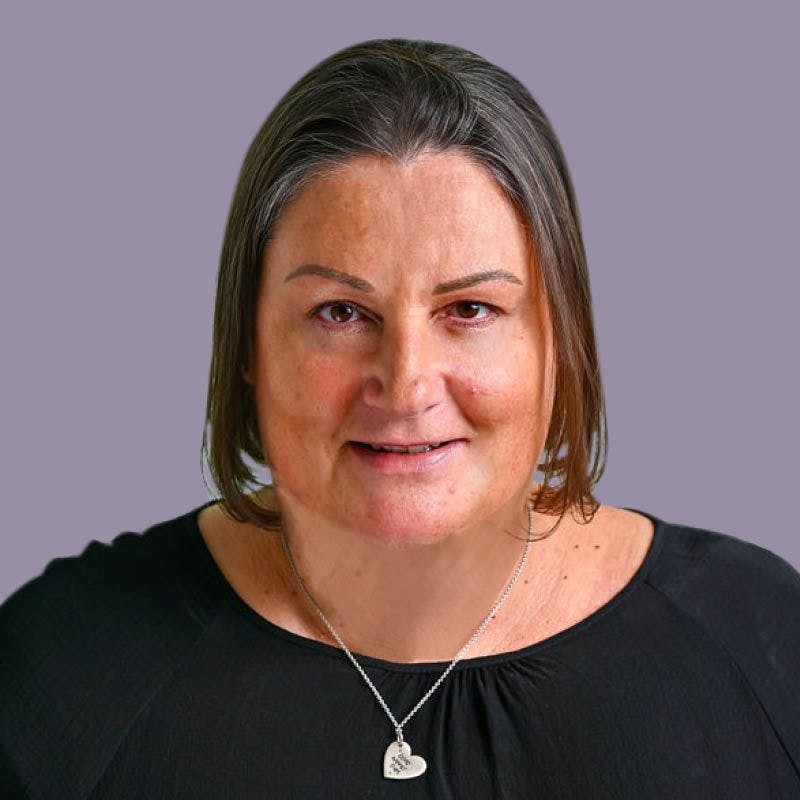
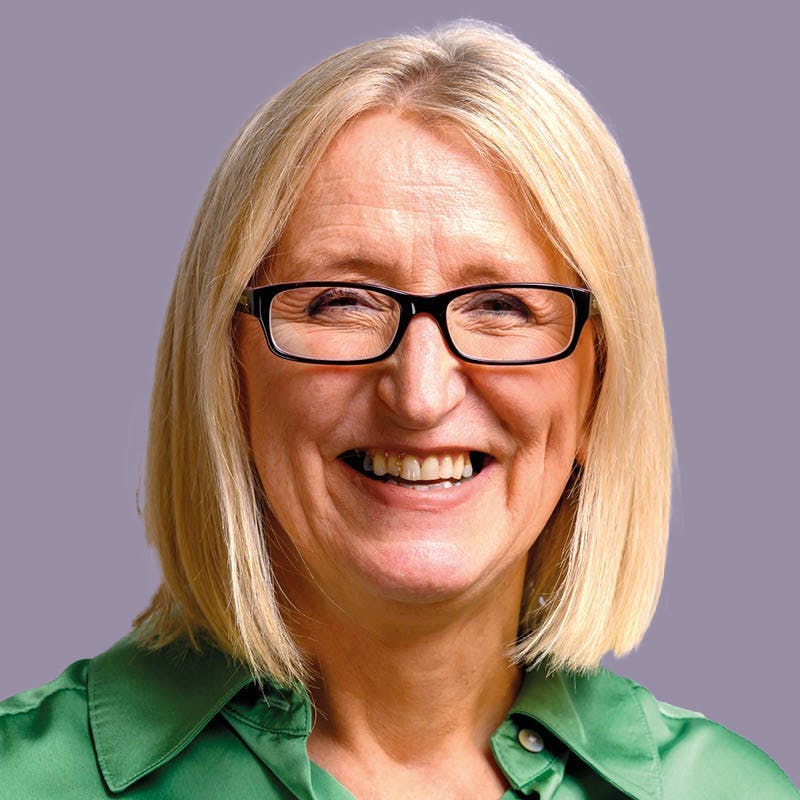
Our specialist Birth Injury claims team, led by Suzanne Munroe , has represented families up and down the country, including Nottingham , Leeds and Shrewsbury .



The Amos Report is the outcome of the National Maternity and Investigation, an independent review commissioned to examine the quality and safety of maternity and care across England.
The investigation was established to identify why serious failings continue to occur in maternity services and to recommend changes that will improve care for women, babies and families.
Rather than focusing on individual clinical decisions, the report examines the wider issues affecting maternity services, including leadership, organisational culture, staffing, inequalities, communication and how NHS organisations respond when things go wrong.
The report follows a number of major maternity reviews in recent years, including those into services at Nottingham University Hospitals NHS Trust, Shrewsbury and Telford Hospital NHS Trust, East Kent Hospitals University NHS Foundation Trust and University Hospitals of Morecambe Bay NHS Foundation Trust.
To speak to one of our specialist birth injury solicitors about your situation in confidence, call us on 0800 1380 458 , or contact us through the website .
To speak to one of our specialist birth injury solicitors about your situation in confidence, call us on 0800 1380 458, or contact us through the website.
Switalskis represents families affected by failings in maternity and care. We are supporting those whose experiences are being examined as part of the national investigation into 12 hospital trusts. Each family’s story is unique, but together their voices will help shape a safer future for mothers, babies and families.
These trusts were selected using data such as CQC maternity survey results and MBRRACE-UK perinatal mortality figures, along with family feedback and a desire for a diverse sampling of trusts. The investigation will build on lessons from earlier local reviews (including Shrewsbury & Telford, East Kent and Morecambe Bay).
We are currently representing or available to advise families affected by care at:
Baroness Amos concluded that the problems affecting maternity and care are not isolated incidents but reflect wider, systemic issues across the NHS.
The report states that maternity services are "no longer designed for the maternity and needs of today or the future" and warns that urgent reform is needed to improve safety for women, babies and families.
Among the key concerns identified were:
The report recognises the dedication of NHS maternity staff while also acknowledging the immense pressures under which many services are operating.
The report makes eight recommendations designed to improve maternity and care across England.
These include:
These recommendations are intended to improve maternity services nationally. They do not determine whether negligent care occurred in any individual family's circumstances.
For many families, the publication of the Amos Report provides recognition that concerns about maternity safety extend beyond individual hospitals and reflect wider issues across the NHS.
However, the report cannot answer questions about what happened in your own care.
Every pregnancy, labour and birth is different. Whether negligence occurred depends on the specific circumstances of your treatment and whether the care you received fell below an acceptable standard.
If avoidable mistakes caused injury to you or your baby, you may still be able to bring a medical negligence claim, regardless of whether your hospital was included in the investigation.
Yes.
The Amos Report does not replace or prevent individual legal claims.
A medical negligence claim considers whether the care you or your baby received fell below an acceptable standard and whether different treatment would probably have prevented the injury.
Families may be able to bring claims involving:
Our solicitors can explain your options, obtain and review your medical records, instruct independent medical experts and advise whether you have grounds to pursue a claim.
You may still have a claim. The investigation focused on selected NHS trusts, but maternity negligence can occur anywhere. Our solicitors can advise you regardless of where your treatment took place.

We understand that discussing what happened during pregnancy or birth can be incredibly difficult.
Our specialist Birth Injury team provides compassionate, trauma-informed legal support for families affected by maternity and negligence.
We can:
Throughout your case, we will explain complex medical and legal issues in clear, straightforward language, ensuring you feel informed and supported at every stage.
Our team includes specialists accredited by the Law Society, APIL, Headway and AvMA. These accreditations reflect our commitment to the highest standards in clinical negligence claims.
For decades, we’ve helped families secure the compensation they need to rebuild their lives. The settlements we achieve fund lifelong care, therapies and vital adaptations that make a real difference.
Be supported by a lawyer who listens, cares, and communicates clearly every step of the way. We’ll explain complex issues in plain language so you always feel informed and reassured.
We believe everyone should have access to justice. Many of our cases are funded through “no win, no fee” agreements, so you won’t pay anything unless your claim is successful.


“I cannot fault David and Chantelle. My clinical negligence case has been handled excellently with an outcome even better than anyone expected. David and Chantelle have kept me updated with all the important details, and always got back to me fast with anything I needed to know. David took the time to get to know me and was always careful in his communications about the case to not put more strain on me and to reassure me. I thoroughly recommend.”
Medical Negligence client
“Sarah adopts a personable and open approach with her clients and is a knowledgeable, practicable and tenacious litigator with an admirable knowledge of her clients’ needs and interests. Sarah will go above and beyond what is expected and will exceed her client’s expectations in achieving fair and just outcomes for her clients. Sarah is instrumental in bettering the quality of life for her clients and has fought vigorously for each of her clients to achieve a better outlook for them and a happier, brighter future.”
Litigation Friend of Medical Negligence (brain injured) Client
I would like to say a massive thank you to you and your team for your tireless effort in helping me with my claim. This has definitely become a success and words can’t express how grateful I am.
Medical Negligence Client

In November 2018, baby Leo Thomson was born prematurely by emergency section at Calderdale Royal Hospital in Halifax. Tragically, Leo died just one day later at Forget Me Not Children’s Hospice in Huddersfield, after suffering brain damage at birth.

Nottingham University Hospitals (NUH) NHS Trust has been fined £1.6 Million by the Care Quality Commission (CQC) after admitting to failing to provide safe treatment for three mothers and three babies who tragically died within months of each other in 2021.

The mother of a young woman born with a brain injury, caused after being starved of oxygen for too long, has spoken of the family’s 25-year struggle for justice. A High Court judge found failings in her care led to a negligent delay in delivery.

A teenage girl with severe physical and learning disabilities has been awarded compensation worth £21.6 million after a London hospital NHS Trust admitted that her injuries could have been avoided if appropriate care had been provided.

The High Court in London has approved a multimillion pound settlement for a man who sustained severe brain injuries at birth. Bradford Teaching Hospitals NHS Foundation Trust admitted his injuries could have been prevented with proper care.

The inquest into the death of Baby Wynter Andrews concluded with the coroner stating that “obvious neglect” had contributed to Wynter’s death. It is hoped that the findings of the inquest will bring about greater scrutiny and transparency into the practices of NUHT.
Contact us today and let's start your journey towards recovery together. Call us today on 0800 1380 458, or get in touch via our form.
Birth injuries can affect the mother, the baby or both. They often happen during complex or delayed labour, or when medical staff fail to act quickly on warning signs. Understanding how a birth injury was caused is the first step towards getting answers and, if appropriate, making a birth injury negligence claim.
We recognise the numerous challenges mothers may face during childbirth. At Switalskis, we're here to support you with your birth injury case. If you've experienced any form of injury during childbirth, rest assured that we're here for you. Types of birth injuries to the mother include:
Sometimes, a healthcare professional's oversight can result in an injury to your child with long-lasting effects. If your child has suffered any type of birth injury, we're committed to providing the legal support you need. Types of birth injuries to the child include:
We’re here to simplify the process of making a birth injury claim. Here’s a step-by-step guide to help you understand what to expect when making a birth injury claim.
Your journey begins with a simple conversation. Contact us to arrange a free, no-obligation consultation during which we'll listen to your story, answer your questions, and explain your options. This meeting will give us a clear picture of what we need to investigate.
Next, our expert legal team will investigate your circumstances. We'll gather and examine all the necessary medical records, consult with medical experts, and review your case thoroughly to understand its strengths and challenges. The aim will be to prove your or your child’s injuries were caused by medical negligence, and work out the potential value of the claim.
Once we have enough evidence, we'll send a letter of claim to the medical professionals involved, outlining the full details of the claim and the evidence supporting it. They'll then have a few months to respond, during which time they can conduct their own investigation and decide whether to accept liability.
Once the defendant has responded to the claim, our negotiations can start. Our expert medical negligence solicitors will negotiate on your behalf, using our expertise and experience to establish who was at fault and secure the highest possible compensation amount for you.
Most claims will be settled through negotiation, and a fair settlement will be agreed upon without needing to go to court. In rare cases, we may need to take your claim to trial. Should this happen with your claim, we will represent you in court and stand by you every step of the way.
If your claim is successful, you'll receive compensation that can cover the costs of care, therapy, equipment and adaptations to housing, ensuring the best possible quality of life for you and your child.
With Switalskis by your side, making a birth injury compensation claim becomes less daunting. We'll guide you through each stage of the process, providing clear advice, empathetic support, and legal expertise every step of the way.
With Switalskis by your side, making a birth injury compensation claim becomes less daunting. We'll guide you through each stage of the process, providing clear advice, empathetic support, and legal expertise every step of the way.

If your child has experienced complications around birth, and you're worried about their development, you may be feeling overwhelmed, uncertain, and looking for answers. You're not alone and support is available.
Neurological damage to the brain around the time of birth or Hypoxic Ischaemic Encephalopathy (HIE) may develop while the baby is descending the birth canal during labour, or the injury may be caused by a lack of care or failure to act in the Neonatal Unit or Special Care Baby Unit (SCBU) in the days or weeks following birth.
Medical negligence experts at Switalskis say the temporary suspension of births at a Devon hospital is a further sign of the escalating crisis in NHS maternity services which needs urgent government attention.

Switalskis experts back call for maternity commissioner as Amos report demands urgent change in maternity services and says: ‘We cannot continue like this’
Specialist maternity experts and medical negligence solicitors at Switalskis say a damning report into the care of babies and families at Nottingham University Hospitals’ (NUH) NHS Trust is a clarion call for urgent action to improve services to prevent future harm.

A couple being supported by Switalskis’ expert medical negligence team in their search for answers as to why their baby son died just four days after his birth have shared their story with the BBC.
Contact us today and let's start your journey towards recovery together. Call us today on 0800 1380 458, or get in touch via our form.
Experiencing a birth injury can be life-altering and emotionally challenging. In such moments, you need a trusted partner to navigate these unfamiliar and traumatic times. This is where Switalskis steps in.
Birth injury compensation claims can be complex, but your understanding of them doesn’t have to be. We’re committed to breaking down complex legal terms into clear, understandable language. We answer your questions, simplify the complicated, and make sure you fully understand every step of the process.
We take the time to understand you and your unique situation. We listen to your concerns, respect your emotions, and provide thoughtful advice tailored to your needs. You're more than just a client to us - you're a person going through a challenging time, and we're here to lend our full support.
When dealing with something as important as a birth injury compensation claim, you need to know you're in safe hands. At Switalskis, we bring together decades of experience and a proven track record in birth injury claims. We're dedicated to fighting for your rights and achieving the best possible outcome for you and your family.
Many of our lawyers are accredited by both the Law Society and AvMA (Action Against Medical Accidents) as recognised specialists in their field
Our team is driven to protect your rights and ensure your voice is heard. We’ll guide you through every step of the claim process, ensuring you're informed and empowered to make the right decisions.
Birth injuries can cast a shadow over what should be one of the happiest times of your life, but remember that you’re not alone. Our legal experts are here to listen, understand your unique circumstances, and fight for the best possible outcome for you and your child.
Contact Switalskis today by calling 0800 1380 458 or get in touch with us through the website to discuss your concerns in confidence with a legal specialist.