Trust Solicitor

Trust Solicitor

For peace of mind

Setting up a trust can feel like you're navigating a maze of legal terms. At Switalskis, we guide you through each step of creating a trust, making it as straightforward as possible so you can focus on what really matters - your future and the wellbeing of your loved ones.

We're committed to simplifying the complex parts of trust formation. Our team knows trusts inside and out, and we're here to lead you through it all.

We're not just experts; we're people who understand that organising a trust is a significant life event. We translate all the legal speak into plain English and keep you informed at each turn. Our aim is to make sure that everything flows smoothly.

Your peace of mind matters to us, so we tailor our advice to fit your specific situation. We care about you, and we're dedicated to helping you achieve the best outcome possible.

Get in touch with us to get started or learn more at 0808 239 5763 or using the form below.

Feel free to give us a call on 0800 1380 458 or get in touch through the website.

A group of people of various ages walking on a beach

How Switalskis can help

When you get in touch with us, we begin by understanding your goals for your trust, whether it's setting one up, managing one or making changes. We'll clearly explain what steps are involved, so you'll always know what's next and what actions you should take.

We're with you every step of the way, clarifying any legal jargon and taking care of all the necessary paperwork. We handle the legal complexities, allowing you to focus on what's important - your future goals. We understand that each trust is different, so our advice is customised to suit your specific situation.

With Switalskis, you're not just getting a legal expert, you're partnering with a team that genuinely wants the best outcome for you. We'll keep you updated, making sure you're never left wondering and can make informed decisions.

What is a trust?

A trust is a legal set-up that can be created separately while you're alive or included in your will. It's where you pass on your assets like money, property or shares to a group of people called trustees. These trustees then look after these assets for the people who'll eventually get them, known as the beneficiaries. Trustees can be close family, friends or even professionals like solicitors who are skilled in handling trusts.

A trust gives you control over what happens to your assets after you're gone or unable to manage them yourself. Depending on the trust type it is common that when a beneficiary turns 18, or any other age you specify, the assets in the trust can be transferred to them.

A trust is a smart way to manage your assets, making sure they go to the right people under the right conditions. Whether you're planning for your family's future or protecting your assets, trusts offer flexibility and peace of mind. Our team at Switalskis can help you decide what type of trust suits your needs best.

Types of trust

Depending on how you may want to control your assets, there are many different types of trusts.

  • Bare trust - the simplest type of trust which gives all assets to the beneficiary as long as they are above eighteen years old. These are often used to pass assets to young people, where trustees look after them until the beneficiary is old enough.
  • Flexible and Lifetime Interest Trusts - This is where a beneficiary can receive income (and possibly capital) from the trust straight away, but cannot control the assets providing income. This trust is often used for a settlor to give their partner access to the trust in their lifetime, with any assets passing to the settlor's children after their partner dies.
  • Discretionary trust - This type of trust allows trustees to have complete control over the assets, deciding how and when to give them to beneficiaries, but are guided by your wishes.
  • Vulnerable persons trust - If the only beneficiary is vulnerable, for example someone who is disabled or an orphan, they will pay less tax on the income from the trust.
  • Declaration of trust - This lays out the allocation of how a property is to be financed or what share of the property is owned by who.

The process of setting up a trust

Setting up a trust deed isn't too complicated, but it does need some careful thought and planning.

Trusts can be set up in two main ways:

  • Through a will trust - this is when a trust is written into your will and comes into play when you pass away.
  • Through a settlement - a separate legal agreement which can be created at any time while you're still alive.

Both ways have their own benefits, depending on what you want to achieve.

A solicitor can help you set up a trust and guide you through setting our what the assets are, who the trustee and beneficiary are and when the trust becomes active.

A goal icon

Decide the purpose

The first step is understanding why you want to set up a trust in the first place. Is it to protect assets for your children? Maybe you're keen to manage your tax responsibilities better, or perhaps you want to support a charity. Knowing your goal will help to shape the type of trust you need.

An icon of four people

Choose the trustees

The next step is picking who you want to manage the trust. These are called trustees and are responsible for handling the trust assets according to your rules. They can be family members, friends or professionals like solicitors.

A house being split between three people

Name the beneficiaries

These are the people who'll benefit from the trust. You'll need to name them in the trust deed. It could be specific people, like your children or spouse, or even organisations like a charity.

An icon of a document

Draft the trust deed

Now, you'll need to get into the details and write the trust deed. This will include the roles of the trustees, the rights of the beneficiaries, and any conditions or rules that have to be followed. This is where expert help can be really useful to make sure you're covering all the legal bases.

An icon of two people and a document

Sign and witness the trust

Once the trust deed is ready, it needs to be signed and witnessed. The rules for this can vary, but it's usually a formal process to make everything legally binding.

a house and money moving

Transfer the assets

The last step is moving the assets, whether it's money, property or something else, into the trust. This is known as settling the trust. From this point on, the trust is active, and the trustees take over the management of these assets.

Frequently Asked Questions about trusts

What is a will trust?

A will trust is a special kind of trust that's made when you write your will. Think of it as adding an extra set of instructions to your will that tells people what you'd like to happen to your money, property or other assets after you're gone.

After you pass away, the people you've picked to be your trustees take over. Their job is to manage the assets that are to go into the trust. They'll follow the rules you've set in your will, making sure that everything is well looked after. For instance, if you've specified that your children should only get their inheritance when they turn 25, your trustees will hold onto the assets until that time comes.

This kind of setup offers a layer of security. It's a way to make sure your wishes are carried out, especially in more complex situations like if you have a blended family or if your beneficiaries are too young to manage their inheritance.

Our team at Switalskis is skilled at helping you write your will and setting up any will trusts you may need. They can make sure you've covered all the bases and that your rules are clear and legal.

Who are the trustees?

Trustees are the legal owners of the assets held in a trust. These are people who make sure the assets, as stated in your trust or will, are dealt with according to your wishes. They will also manage the trust daily and pay any tax due, as well as making decisions on how to invest or use assets within the trust.

Under a will the executors and trustees can be the same people. These are usually people you trust or professionals.

The role of a trustee carries a lot of responsibility, so trustees should talk to the settlor about their expectations of them. Trustees may want to get advice from a solicitor before agreeing to the role.

Settlement and trust deeds

When you want a trust to start working while you're still alive, it's often called a settlement. To make this happen, you need a special document known as a trust deed. This is where you write down all the rules for the trust, like a guidebook that explains who does what and when.

What's in the trust deed? First off, it names the trustees. These are the people you pick to look after the assets you're putting into the trust. It's their job to manage everything according to your rules. Next, the deed identifies the beneficiaries. These are the people who will eventually benefit from what's in the trust, whether it's money, property or anything else.

The trust deed also lays out any rules or conditions that have to be followed. For example, you might state that a beneficiary has to reach a certain age before they can receive their share. Or, you might have rules for the trustees about how they should invest the money in the trust.

Another key part is detailing how and when the trust will end. Maybe it closes when a beneficiary hits a certain age or milestone, or perhaps you set a specific date in the future. This part helps everyone know the time frame they're working within.

Got questions or ready to get going? Just give us a ring on 0800 1380 458 or drop us a line through the website.

Our Trust Solicitors

Photo of Catrin Lloyd
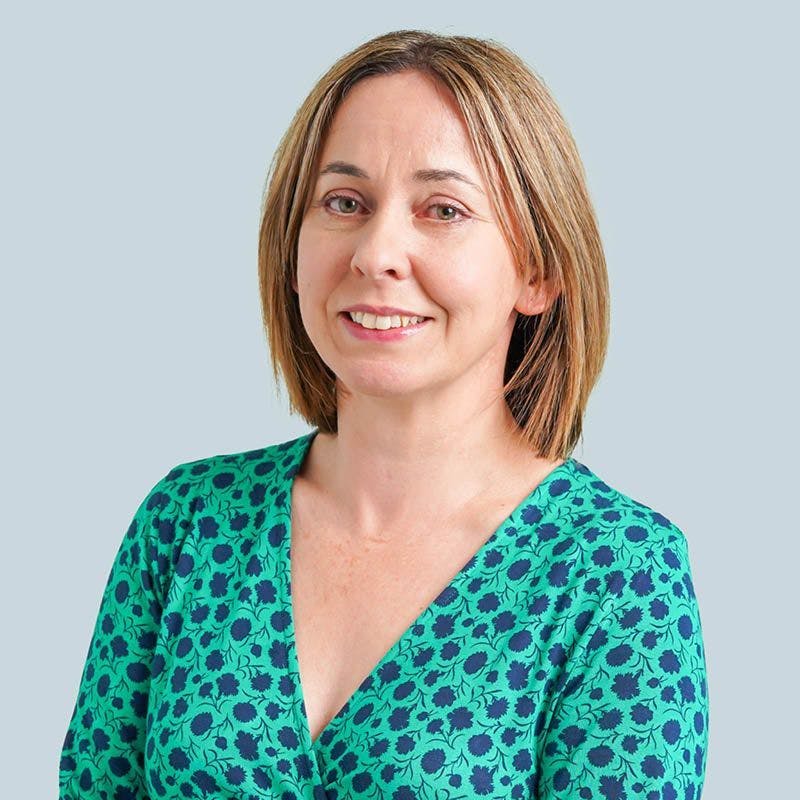
Catrin LloydDirector and Solicitor
Sharon WoodwardSenior Associate Solicitor
View more

Our latest wills and probate updates

January 29, 2026
Young man comforting and supporting a sad woman who is in serious trouble at home, Consolation and encouragement concept 

Losing a loved one is always difficult, and dealing with legal and financial matters at the same time can feel overwhelming. But what happens if someone dies and they didn’t have a will? Understanding what happens next can help families feel more prepared and avoid unnecessary disputes or delays.

December 15, 2025
Happy older family couple husband and wife sign legal paper 

If you have concerns about a loved one's last will and testament, you might consider legally challenging the will. This is usually done because there is evidence that the will has been forged, that the deceased lacked mental capacity to make decisions about their estate, or that the person making the will was subject to undue influence when writing the document. It's not enough to challenge a will because you disagree with the decisions that have been made - there are specific legal grounds for contesting a will. 

November 27, 2025
person caring for person in a wheelchair

The International Day of Persons with Disabilities encourages us to recognise the rights, experiences and needs of disabled people. For families who care for someone with a lifelong disability it’s often a worry how they will cope if you’re not there to protect them. Carers spend so much of their time worrying about the things they need to do for their loved one they forget about what they need to do for themselves.

View more

Why Switalskis?

If you're looking to set up or manage a trust and want advice you can rely on, Switalskis is the right choice for you.

Clarity in complexity

Trusts can seem complex and hard to understand, but we're here to simplify it all for you. We'll answer any questions you have, explain things in straightforward language, and keep you updated at every turn. This way, you'll always feel confident and in control of your decisions.

Empathy at every step

Setting up a trust is often about protecting your loved ones or your assets, and we understand how important that is. We're here to listen, understand your unique needs, and offer personalised advice. To us, you're not just another client; you're a person facing important decisions, and we're committed to making it as smooth as possible for you.

Expertise you can trust

When it comes to the legal aspects of trusts, you want to be sure you're in capable hands. That's exactly what you get with us. We've got extensive experience and a track record that proves we're experts in this field, helping people like you make informed choices.

Championing your rights

We're fully committed to securing the best outcome for you and making sure your wishes are respected. From our first conversation to the finalisation of your trust, we're on your side, keeping you in the know every step of the way.

Find out how Switalskis can help you

Keen to learn more? Don't hesitate to give us a call on 0800 1380 458 or reach out via our website.

When completing this form, the details you provide will only be used to deal with your enquiry. Please read our Privacy Policy for more information on how your data is used and stored.

Contact us