Dog attacks continue to rise prompting XL Bully ban
By Katrina Elsey
The government recently announced a ban of ‘American Bully XL type’ dogs, following a rise in the number of dog attacks. Prime Minister, Rishi Sunak said the situation “could not go on” after a man died following an attack by a suspected XL Bully. This was the third incident in the West Midlands in less than a week.
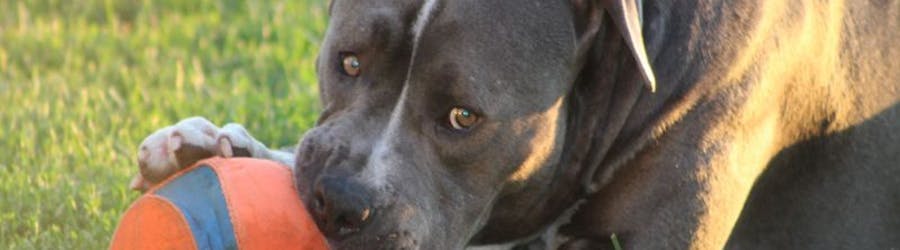
The Dangerous Dogs Act (DDA) has been in place for over 30 years and applies Breed Specific Legislation (BSL), making it illegal to own certain breeds of dogs, including Pit Bull Terriers.
The RSPCA, ‘No crime, BIG punishment’ campaign states: “This approach has failed horribly to protect people from dog bites; there has been a 154% increase in people needing hospital treatment for dog bites in the past 20 years. Tragically BSL has resulted in the needless death of thousands of dogs over the past 30 years.”
Recently in Wales, police have been appealing for witnesses after four people were attacked by a dog in a Gwynedd village. One victim was airlifted to Aintree University Hospital and another to the Royal Stoke University Hospital, both with serious injuries. The other two people involved fortunately escaped with minor injuries. The dog involved was destroyed by police, but the breed has not been confirmed.
Katrina Elsey , personal injury specialist comments: “Barely a week goes by without dog attacks being in the headlines. The number of cases which we advise on, as well as the number which receive media coverage, highlight that this problem continues to rise.
“Through our work we see the terrible consequences that these incidents have on those involved, with victims often being left with major physical and injuries as a result.
“I represent many people who have been attacked by dogs and understand the physical and trauma which can be caused.
“I believe that all dogs have the potential to be dangerous and consider the government's approach of BSL to be failing public safety. Targeting some breed specific dogs is unnecessary as their behaviour poses no risk to public safety at all.”
If you or a loved one have been affected by a dog bite attack, it's important to act promptly. Beyond receiving compensation, pursuing a dog bite claim is essential to highlight responsible pet ownership, prevent future incidents and create community awareness around the importance of animal safety. This can lead to community-driven initiatives, training programs and other measures to ensure public safety.
Reach out to us today. Call 0800 138 0458 or contact us through the website to begin your journey towards recovery.
Find out how Switalskis can help you
Call Switalskis today on 0800 1380 458 . Alternatively, contact us through the website to learn more.

Katrina has over 25 years’ experience in the legal sector. She is a Director and Manager of the Serious Injury department.


