Bradford group-based abuse - why survivors deserve openness, transparency and genuine apologies
By Amy Clowrey
Recent BBC reporting on Fiona Goddard’s experience of seeking compensation after years of sexual abuse highlights a pattern we see repeatedly when supporting survivors child abuse. It exposes a clear disconnect between public acknowledgements of failure and the reality survivors face when they seek accountability through the civil justice system.

Fiona was a child in local authority care when she was groomed and sexually abused in Bradford in the late 2000s. Serious safeguarding failures were later identified, and nine men were convicted of sexual offences against her.
Like many survivors, Fiona has since taken the difficult step of pursuing a civil claim. This decision is rarely about money. It is about recognition, accountability and a need to understand how safeguarding systems failed to intervene.
When the process itself causes harm
At Switalskis, we represent many survivors of group-based abuse . We know that coming forward often follows years of fear, shame and disbelief. By the time survivors engage with the legal system, they have already shown extraordinary strength.
As solicitor Amy Clowrey explained in the BBC article, the way compensation claims are handled by public authorities can itself cause further distress. Survivors may be met with formal denials of responsibility, even where those same organisations have publicly acknowledged historic failings.
For survivors, this can feel like another form of dismissal. It can echo the very systems that failed to protect them as children.
The importance of genuine apologies
The Independent Inquiry into Child Sexual Abuse (IICSA) was clear in its findings. Survivors need genuine apologies. They do not need carefully worded statements designed to avoid responsibility. They need open acknowledgements of what went wrong and the harm caused.
Genuine apologies matter because they validate survivors’ experiences:
- They recognise that abuse did not happen in isolation.
- They acknowledge that safeguarding systems failed to act when children were clearly at risk.
For many survivors, this recognition plays an important role in healing and recovery. Yet within the litigation process, the approach often remains highly oppositional.
While this may be described as standard legal practice, the emotional impact on survivors should not be underestimated.
Public words and private responses
We frequently see a stark contrast between public statements of regret and private legal correspondence that deny wrongdoing. Survivors understandably struggle to understand these opposing positions.
Civil claims are not about rewriting history. They are about examining whether opportunities to protect children were missed. They are also about understanding what responsibility flows from those failures and compensating victims enabling them to move forward and rebuild their lives.
Listening to survivors’ voices
Concerns about trust and transparency extend beyond individual claims. They are also reflected in survivors’ engagement with national inquiries and reviews.
Fiona’s decision, alongside other survivors, to step away from the government’s grooming gangs inquiry victims’ panel highlights this issue.
Survivors raised legitimate concerns about whether such processes could command their confidence. If inquiries and reviews are to be meaningful, survivors’ voices must be central. They must not be sidelined or treated as inconvenient.
Continuing to advocate for survivors
Cases like Fiona’s underline the need for cultural change. Public bodies must consider not only what they say, but how their actions are experienced by survivors. Openness, transparency and accountability are essential.
At Switalskis, we continue to advocate for survivors of abuse. We believe survivors deserve to be believed, respected and supported throughout every stage of the legal process.
Contact our child sexual exploitation specialists
If you are a survivor of child sexual abuse and would like to speak to someone in confidence, our experienced legal team is here to support you.
To speak to one of our specialist child abuse solicitors about your situation in confidence, call us on 0808 134 0048, or contact us through the website.
Find out how Switalskis can help you
Call Switalskis today on 0800 1380 458 . Alternatively, contact us through the website to learn more.
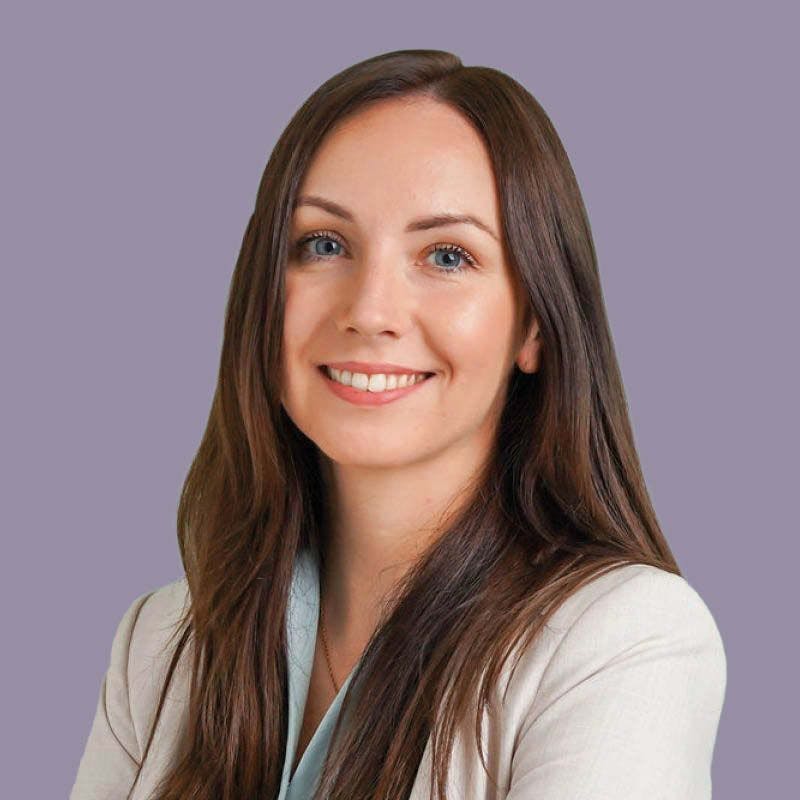
Amy has worked in the legal sector for over a decade. She is a Director in our Child Abuse Compensation team.


